
Roll-N-Lock Spring & Reel Assemblies: Complete Guide and Replacement Solutions
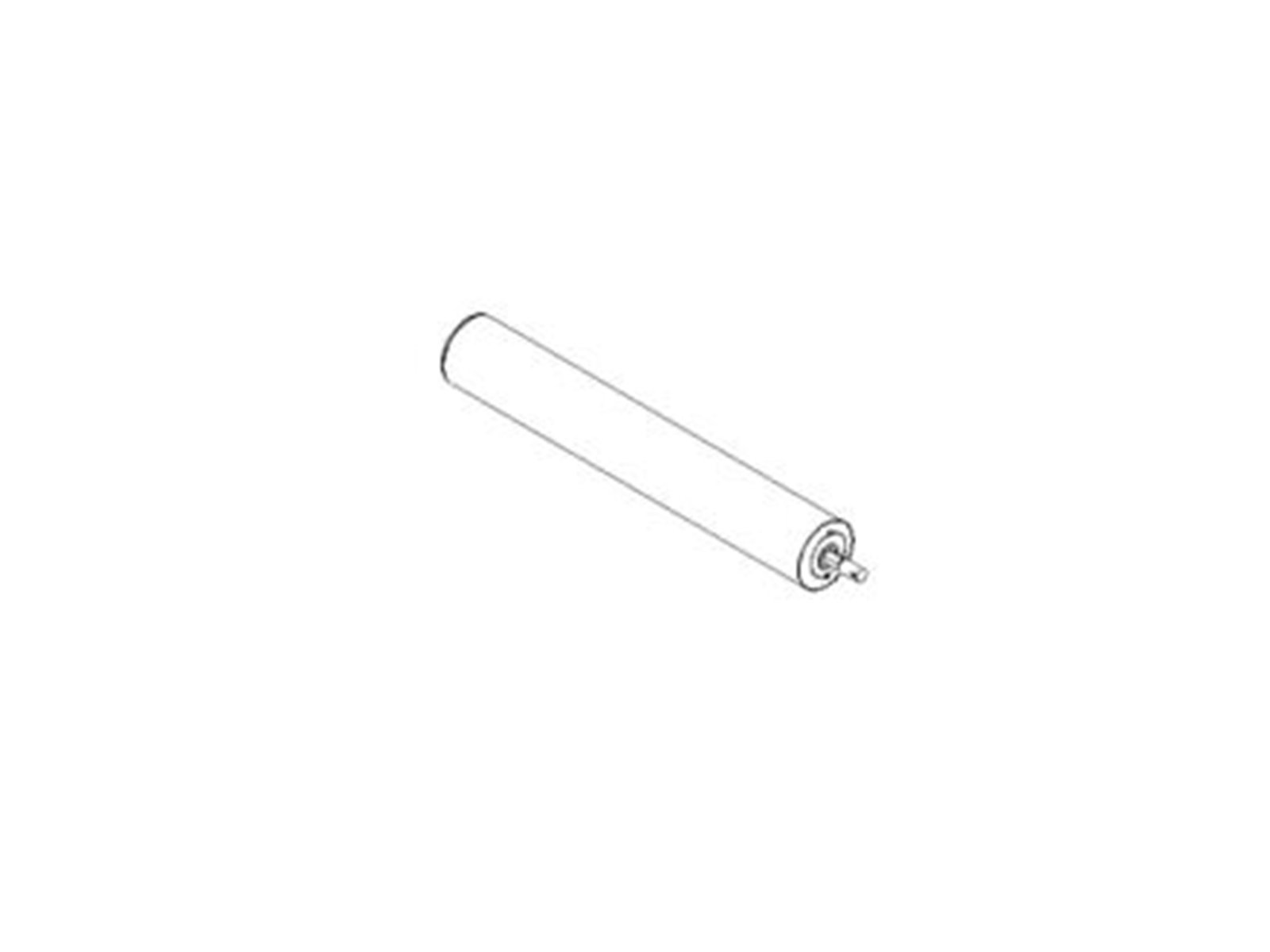
Standard Roll-N-Lock Spring & Reel Assembly
Complete spring and reel assembly designed for optimal tonneau cover performance. Features durable steel construction, precision engineering, and easy installation for reliable long-term operation across various truck bed configurations.
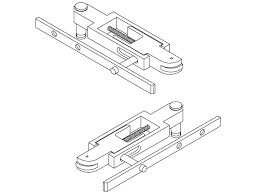
Heavy-Duty Roll-N-Lock Spring & Reel Assembly
Enhanced spring and reel system built for demanding applications and frequent use. Engineered with reinforced components and upgraded materials to handle extreme weather conditions and heavy-duty operational requirements.
Understanding Roll-N-Lock Spring & Reel Assembly Components
Roll-N-Lock spring and reel assemblies form the heart of your tonneau cover’s retraction system, ensuring smooth operation and reliable performance. These precision-engineered components work together to provide the controlled tension necessary for proper cover deployment and retraction.
The spring mechanism maintains consistent tension throughout the cover’s operating range, while the reel assembly manages cable winding and unwinding with minimal friction. When considering roll n lock spring replacement, understanding these interconnected systems helps ensure you select the correct components for your specific application.
Spring Mechanism Design and Function
The spring component utilizes high-tensile steel construction to deliver consistent force across thousands of operating cycles. This carefully calibrated tension prevents cover sagging while allowing smooth retraction without excessive effort.
Proper spring calibration ensures your tonneau cover maintains optimal positioning in all weather conditions. The engineering behind these springs accounts for temperature variations, load distribution, and long-term material fatigue to deliver reliable performance.
Reel Assembly Engineering
The reel assembly incorporates precision bearings and carefully machined components to minimize operational friction. This design approach extends component life while reducing the force required for cover operation.
Integrated cable guides within the reel assembly prevent tangling and ensure consistent cable positioning throughout the operating cycle. These guides work in conjunction with quality replacement parts to maintain system reliability over extended use periods.
Roll N Lock Spring Replacement: When and Why
Recognizing when roll n lock spring replacement becomes necessary helps prevent unexpected failures and maintains optimal tonneau cover performance. Spring degradation typically occurs gradually, with early warning signs appearing before complete failure.
Common indicators include increased difficulty opening or closing the cover, visible spring distortion, or inconsistent tension during operation. Temperature extremes, frequent use, and exposure to road salt can accelerate spring wear and necessitate earlier replacement.
Signs Your Spring Needs Replacement
Uneven cover tension represents one of the earliest indicators that roll n lock spring replacement may be required. You might notice the cover doesn’t retract fully or hangs unevenly when partially opened.
Audible changes during operation, such as grinding or clicking sounds, often indicate bearing wear or spring binding. These symptoms typically worsen over time and can lead to complete system failure if not addressed promptly.
Replacement Timing Considerations
Proactive roll n lock spring replacement prevents inconvenient failures and potential damage to other system components. Most springs maintain optimal performance for 5-7 years under normal operating conditions, though heavy use or harsh environments may require more frequent replacement.
Scheduling replacement during favorable weather conditions ensures you have adequate time for proper installation without rushing the process. This approach allows for thorough testing and adjustment of the new components.
Installation Process for Spring & Reel Assemblies
Proper installation techniques ensure your new roll n lock spring replacement delivers optimal performance and longevity. Following manufacturer specifications and using appropriate tools prevents damage during installation and ensures safe operation.
Before beginning installation, gather all necessary tools and review the complete procedure to identify any potential challenges. Having all components and hardware readily available streamlines the installation process and reduces the risk of errors.
Pre-Installation Preparation
Disconnecting the tonneau cover from the existing spring and reel assembly requires careful attention to cable routing and tension release. Gradual tension release prevents sudden spring recoil that could cause injury or component damage.
Documenting the original cable routing with photos helps ensure proper reinstallation of the new assembly. This reference proves invaluable when routing cables through complex mounting configurations or when working with unfamiliar truck bed layouts.
Assembly Installation Steps
Mounting the new reel assembly requires precise alignment to ensure smooth cable operation and prevent premature wear. Use manufacturer-specified torque values for all mounting hardware to prevent over-tightening that could distort housing components.
Tension adjustment represents a critical step in the roll n lock spring replacement process, requiring gradual adjustments while testing cover operation. Proper tension balances easy operation with adequate cover support across the entire operating range.
Maintenance Best Practices for Longevity
Regular maintenance significantly extends the service life of your spring and reel assembly, often delaying the need for roll n lock spring replacement by several years. Simple preventive measures performed seasonally can prevent most common failure modes.
Lubrication of moving components using manufacturer-recommended products ensures smooth operation and prevents premature wear. Avoid petroleum-based lubricants that can attract dirt and debris, instead using marine-grade or automotive-specific products designed for outdoor applications.
Cleaning and Inspection Routines
Quarterly inspection of spring and reel components helps identify potential issues before they require emergency replacement. Look for signs of corrosion, cable fraying, or unusual wear patterns that might indicate alignment problems.
Cleaning accumulated debris from reel assemblies prevents binding and reduces stress on spring components. Use compressed air or soft brushes to remove dirt and salt deposits that can cause premature component failure.
Seasonal Maintenance Tasks
Winter preparation should include additional lubrication of exposed components and inspection of weather seals. Cold temperatures can affect lubricant viscosity and spring characteristics, potentially requiring minor tension adjustments.
Spring maintenance includes checking for proper torsion spring alignment and ensuring mounting hardware remains tight. Thermal cycling throughout the seasons can cause fasteners to loosen gradually over time.
Troubleshooting Common Spring & Reel Issues
Understanding common failure modes helps determine whether repair or roll n lock spring replacement offers the most cost-effective solution. Many operational issues stem from minor adjustments rather than component failure, saving both time and expense.
Systematic troubleshooting begins with visual inspection of all components, followed by operational testing under various load conditions. This methodical approach identifies the root cause rather than treating symptoms that might recur.
Tension-Related Problems
Inconsistent cover operation often results from improper spring tension rather than component failure. Adjusting tension settings according to manufacturer specifications frequently resolves these issues without requiring roll n lock spring replacement.
Seasonal tension variations can occur due to temperature effects on spring steel properties. Minor adjustments during extreme temperature periods help maintain optimal performance throughout the year.
Cable and Reel Complications
Cable binding within the reel assembly typically indicates accumulated debris or inadequate lubrication rather than component wear. Thorough cleaning and proper lubrication often restore smooth operation without requiring parts replacement.
Uneven cable winding can result from improper installation or worn guide components. Identifying whether guides require replacement or simple realignment determines the appropriate corrective action.
Selecting the Right Replacement Assembly
Choosing appropriate components for roll n lock spring replacement requires matching specifications to your specific tonneau cover model and operational requirements. Using incorrect specifications can result in poor performance or premature failure.
OEM specifications provide the baseline for replacement component selection, though upgraded options may offer enhanced durability for demanding applications. Consider your typical usage patterns and environmental conditions when evaluating upgrade options.
Compatibility Considerations
Tonneau cover model numbers and manufacturing dates determine compatible spring and reel assembly specifications. Verify these details before ordering replacement components to ensure proper fit and function.
Mounting configuration differences between truck models can affect assembly selection even when using identical tonneau covers. Confirm mounting hardware compatibility to avoid installation delays or additional parts requirements.
Performance Upgrades
Heavy-duty assemblies offer enhanced durability for commercial applications or extreme environmental conditions. These upgrades typically feature reinforced springs, improved corrosion protection, and extended warranty coverage.
When planning roll n lock spring replacement, consider future needs such as increased usage frequency or changing environmental conditions. Investing in upgraded components during replacement can provide better long-term value than multiple standard replacements.
Ensuring Optimal Performance with Quality Spring & Reel Assemblies
Roll-N-Lock spring and reel assemblies represent critical components in your tonneau cover system, directly impacting both performance and longevity. Understanding when roll n lock spring replacement becomes necessary, along with proper installation and maintenance techniques, ensures reliable operation for years to come.
Proactive maintenance and timely replacement prevent unexpected failures that could leave your truck bed exposed or damage other system components. Investing in quality replacement assemblies, whether standard or heavy-duty configurations, provides better long-term value than attempting repairs on worn components.
The installation process, while manageable for experienced DIY enthusiasts, benefits from careful attention to manufacturer specifications and proper tool usage. When in doubt, professional installation ensures optimal performance and maintains warranty coverage for your investment.
Selecting the right replacement components based on your specific application requirements, environmental conditions, and usage patterns maximizes both performance and component life. Quality spring and reel assemblies, properly installed and maintained, deliver the reliable operation that makes Roll-N-Lock tonneau covers a preferred choice for truck owners seeking durability and convenience.